


Preliminary archeological surveying at Varina on the James has flagged what could be the remains of Henrico County’s original courthouse or other buildings from the mid-1700s.
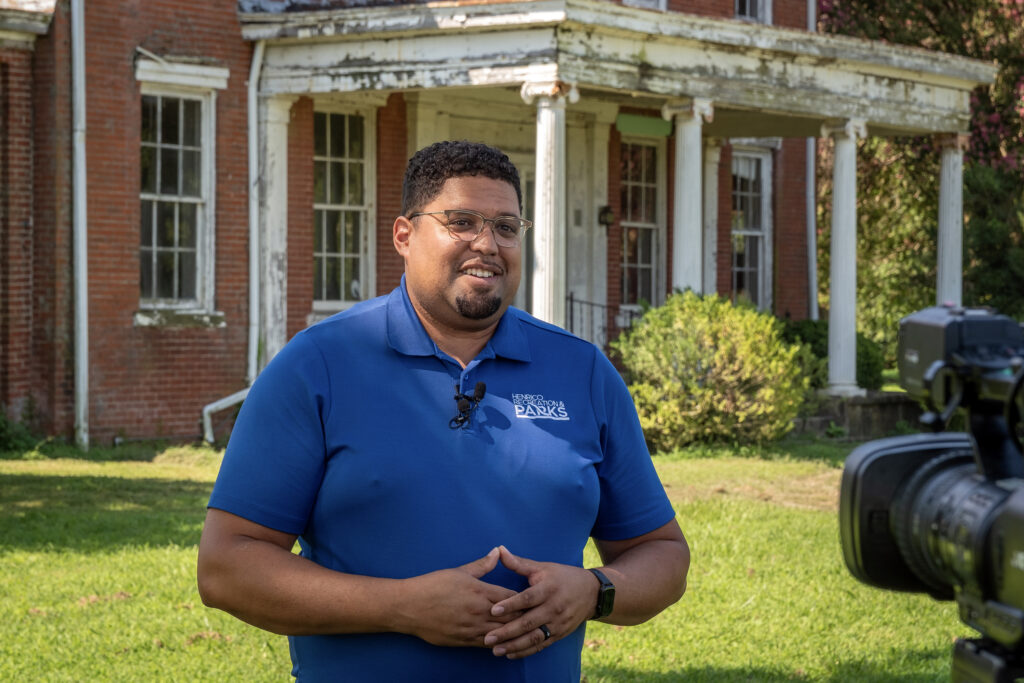
“I hollered out loud. That’s how exciting it was,” Recreation & Parks Assistant Director Julian Charity said, of seeing images taken by ground-penetrating radar this spring.
As the surveys assessed soil conditions at increasing depths, tiny dots or shadings began to appear with greater frequency, suggesting the foundations of a building. “And the more things that you see, the deeper the building is,” Charity said. “That means the longer it was in existence.”
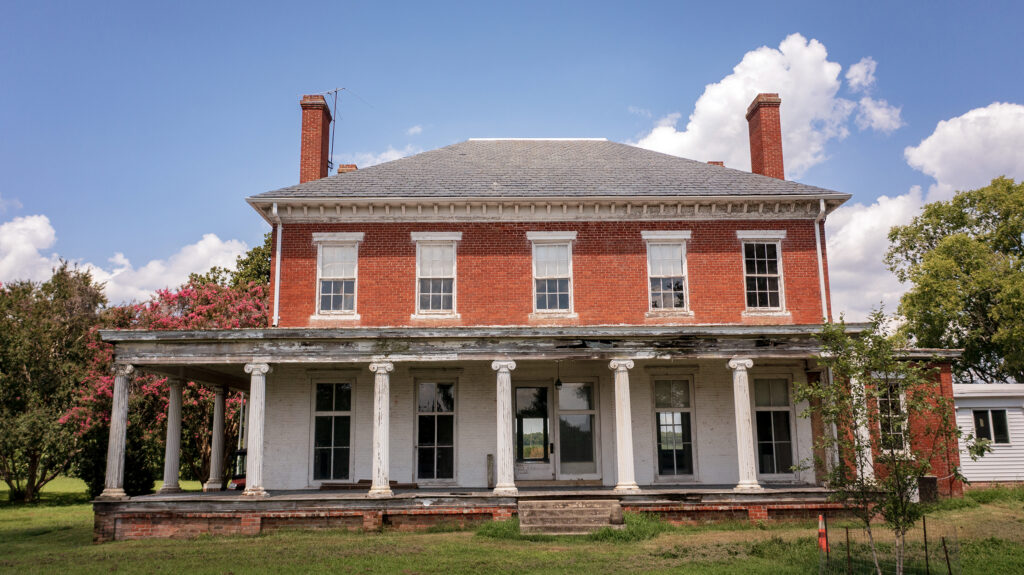
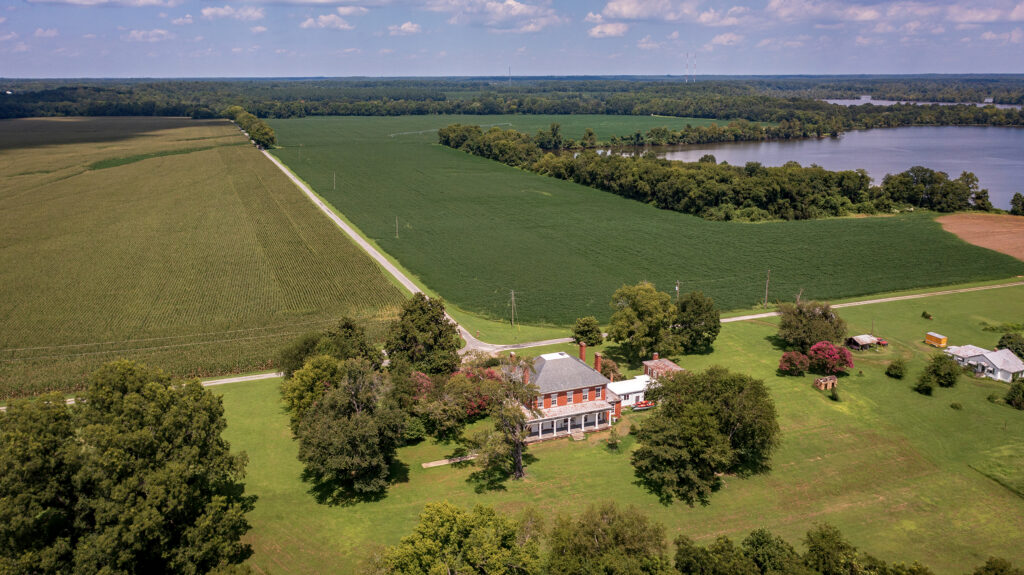
The work by Williamsburg-based Chartrand Geoarchaeological Solutions focused on about 10 acres of a field near the property’s 1853 Classical Revival-style home. The property was home to Henrico’s seat of government from 1632 to 1752.
“This is like the rediscovery of Jamestown all over again,” Charity said. “What if we find the original confines of that village of Varina, the original courthouse that was here at Varina on the James? … What if we find the actual house that John Rolfe lived in? What if we find the actual property where Pocahontas gave birth to Thomas?”
Henrico has begun contacting university archaeology departments to discuss the possibilities of establishing a field school for excavation of the grounds. The county bought the 2,100-acre property and its signature home in 2023 and 2024 to preserve its history and sensitive environment.
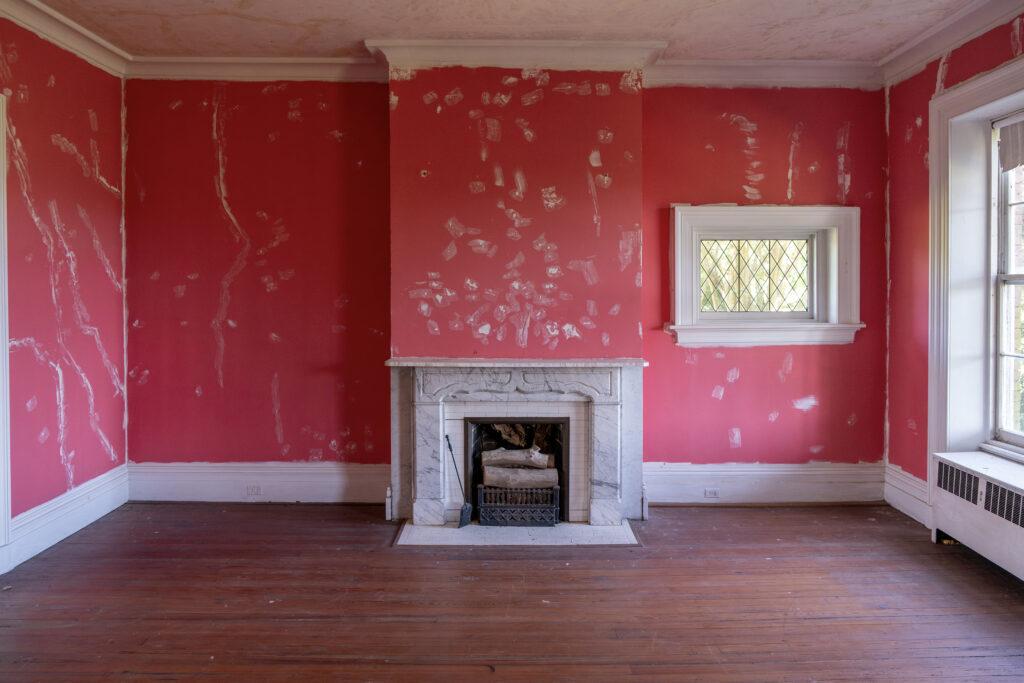
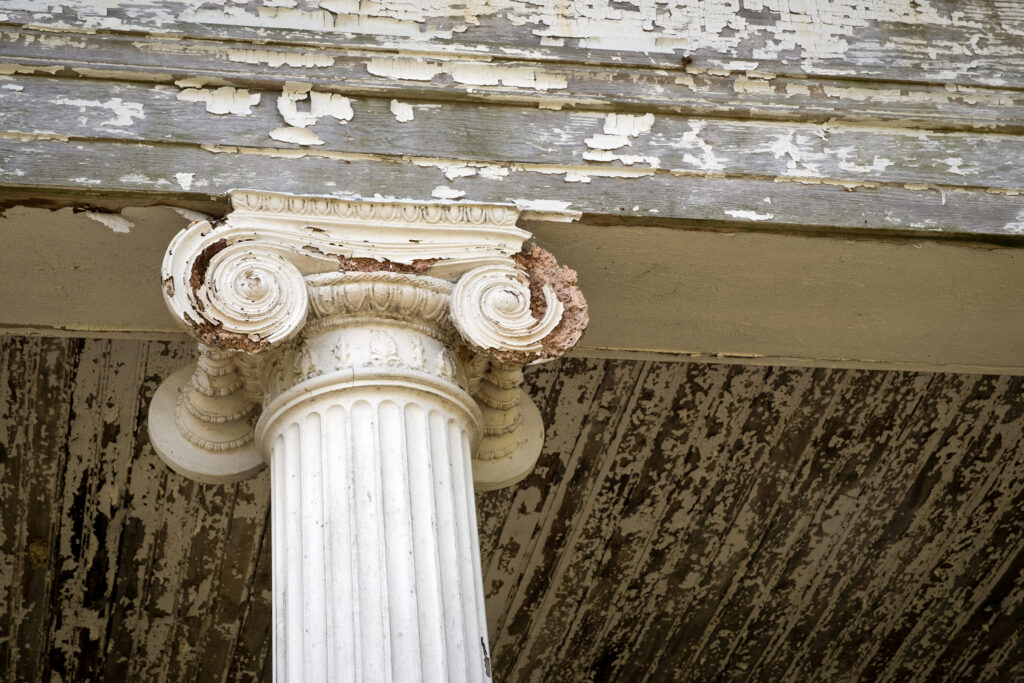
Charity visited the site this week to highlight plans to restore the 1853 home. Suburban Remodeling Corp. will begin work in September to stabilize and repair the exterior. A future phase will address the interior.
Since acquiring the property, officials have emphasized that the county will be methodical about determining a long-term plan for the property. Charity said the possibilities for historical interpretation, public visitation and recreation are thrilling. He called Varina on the James “the front door of Henrico,” with a history that threads through Indigenous and Colonial periods as well as the Civil War and the 20th century.
“That history is right here, right behind me, underneath our feet, all around us,” he said, “and that history is just waiting to be told and waiting to be shared.”