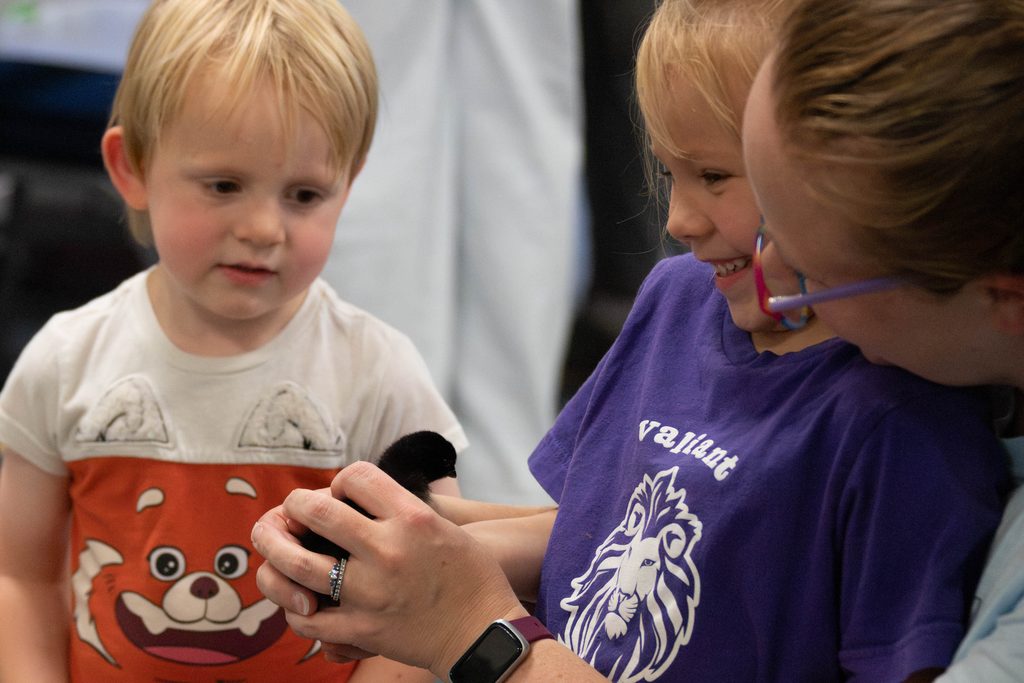



Extension’s Hatching at Home program offers hands-on learning, connections with agriculture
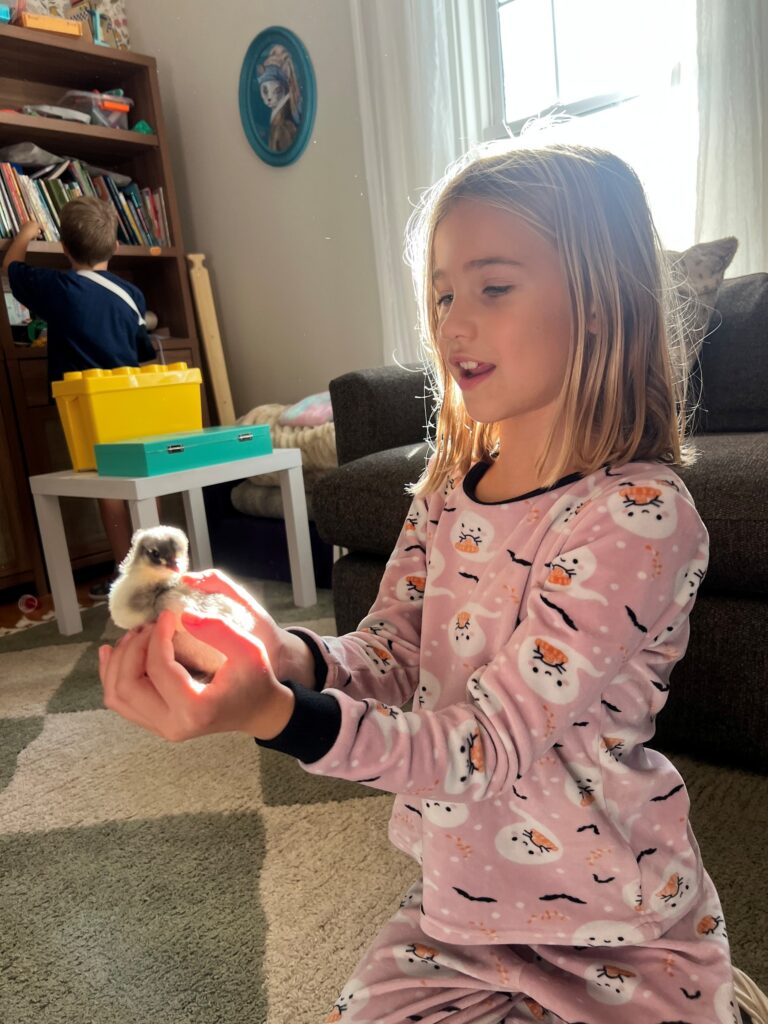
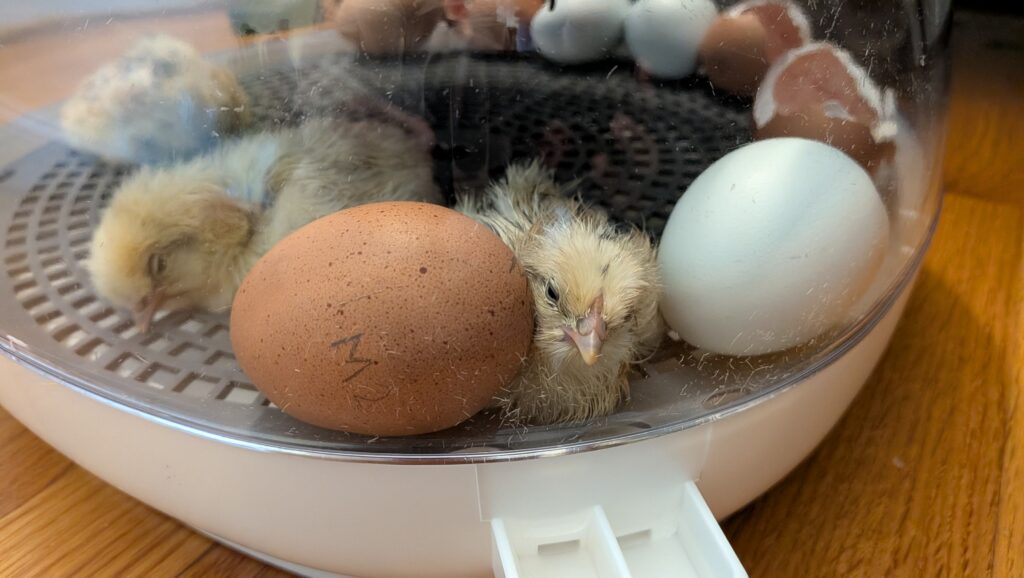
A newly hatched chick cheeped, but no hen answered its call. Instead, 13-year-old Stevie Wright was the one squealing with delight at the sight of the scrawny baby bird. It was the first to emerge from a dozen eggs in her incubator.
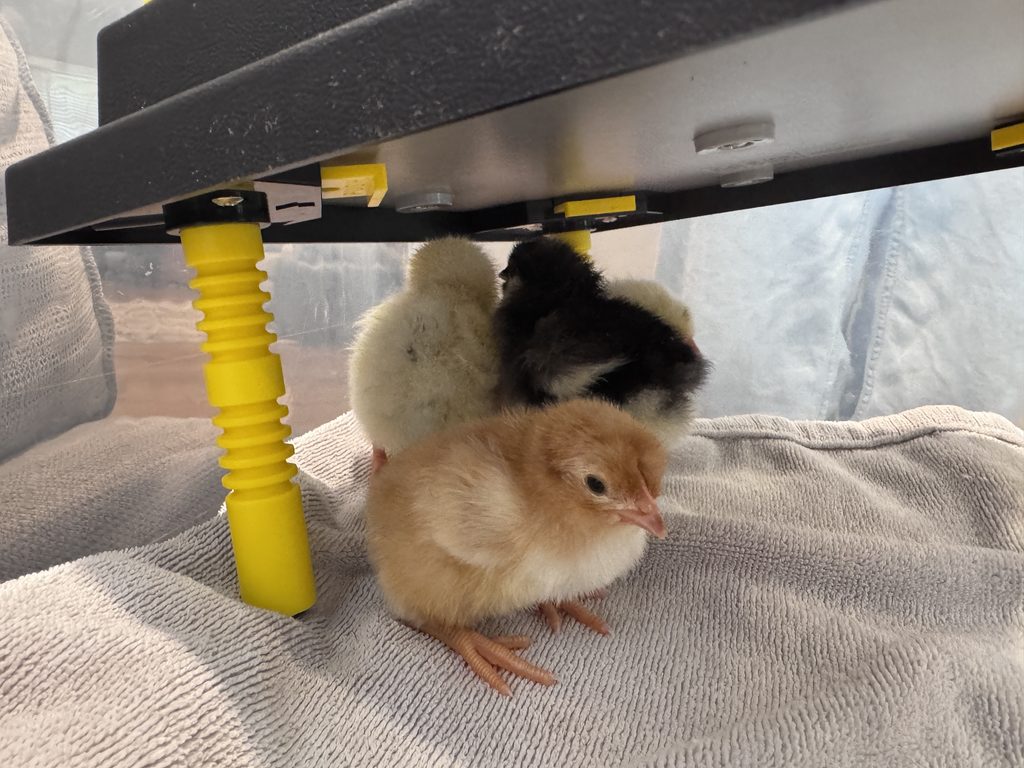
“My dad, my sister and I, we were all huddled around the little eggs, and we got to watch one of them hatch,” she recalled. “They chirped and would encourage each other. It was really cute.”
Stevie named the chick “Waffles” because it hatched with fluffy down that was a dark golden color. This fall, she participated in Hatching at Home, a monthlong 4-H program that teaches embryology and the life cycle of chickens.
Hatching at Home was introduced several years ago by Henrico County office of Virginia Cooperative Extension for traditional classrooms. More than 30 schools within Henrico County Public Schools have participated regularly. In 2025, 96 classrooms from elementary through high school hatched chickens, ducks, turkeys, quail and geese. Three years ago, Henrico Extension adapted the program so homeschooled students, like Stevie, and others could benefit from the hands-on learning, as well.
“I have such a passion for this project because I’ve seen the impact that it can make in kids’ lives,” said Carter Humphries, a Henrico Extension agent.
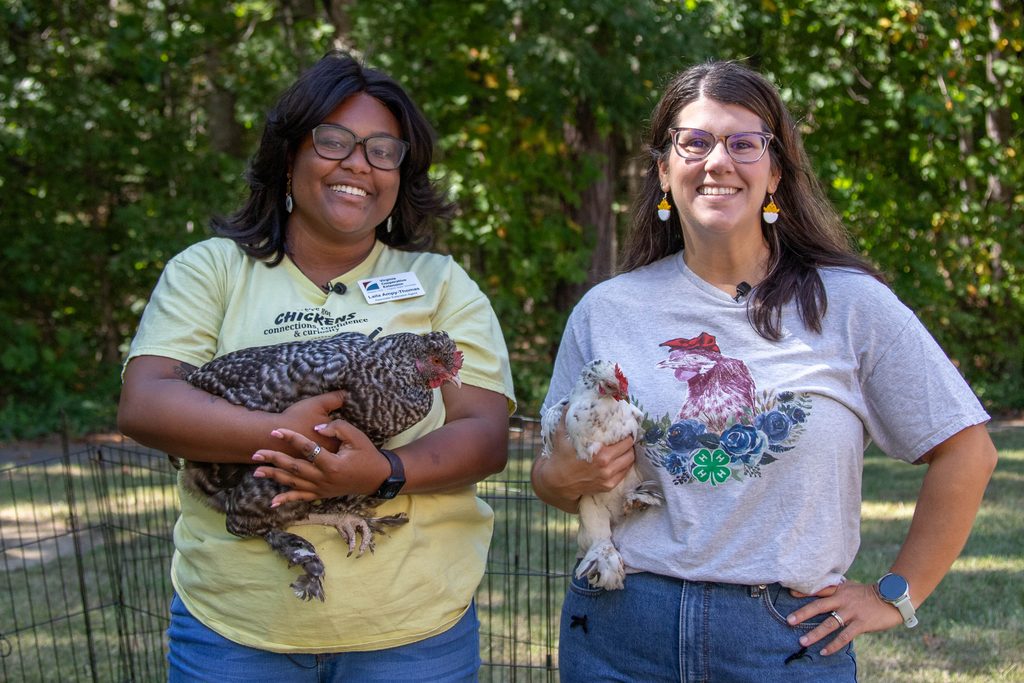
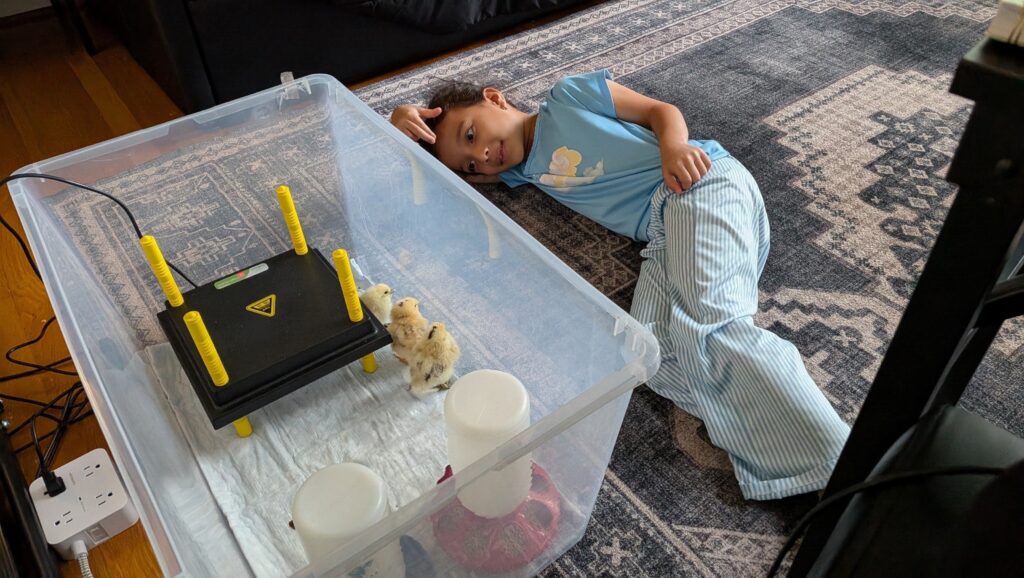
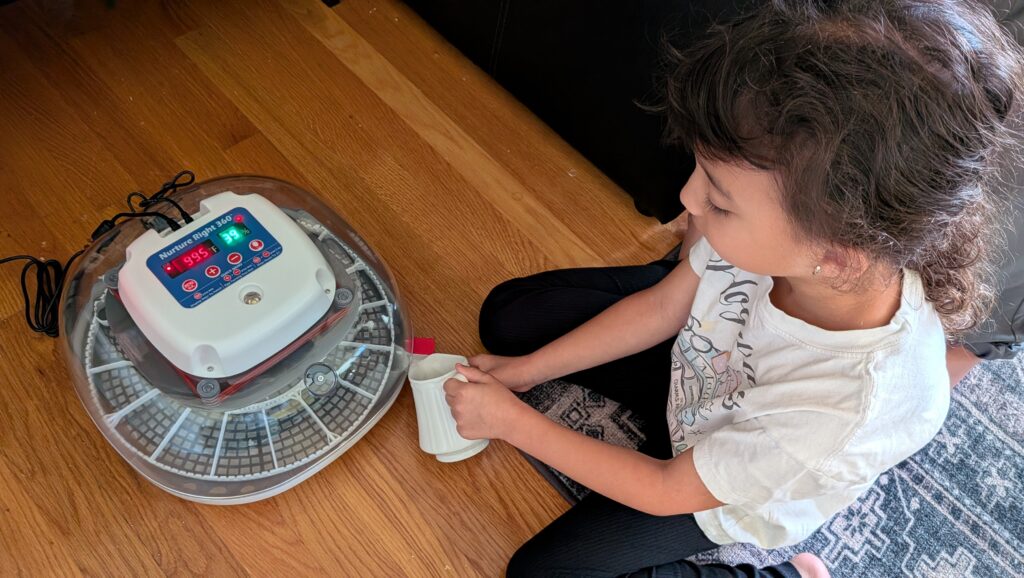
Unlike the classroom version, Hatching at Home focuses on chickens only, covering their life cycle, the anatomy of an egg, how to differentiate between hens and roosters, and the basics of raising chickens in a farm setting. A dozen families participated this fall. For a $30 fee, they received a dozen eggs, were loaned an incubator, heat plate, brooder box, feeder and waterer, and received a pound of feed. Five local farms provide various breeds of chicken eggs for the program.
“Most families don’t live on farms and don’t have any sort of livestock or animals other than house pets,” Humphries said. “So, it’s really a unique opportunity where they get to see and connect to agriculture a little bit more directly.”
For Stevie’s mother, Alycia Wright, seeing her children benefit from 4-H’s teaching model has been rewarding. She said Stevie was able to take what she had already learned about science and apply it to the Hatching at Home exercises.
“We’re homeschoolers, and so we don’t have access a lot of times to more traditional things,” Wright said. “Especially knowing that Stevie wants to be a veterinarian, I thought, ‘This is in a perfect alignment.’”
Before participating in Hatching at Home, Stevie and her siblings were no strangers to animal care. Their family includes a dog, ball python, lizard and two giant tortoises. Stevie said that while she enjoys helping to care for her family’s pets, Hatching at Home gave her a greater responsibility for the chicks.
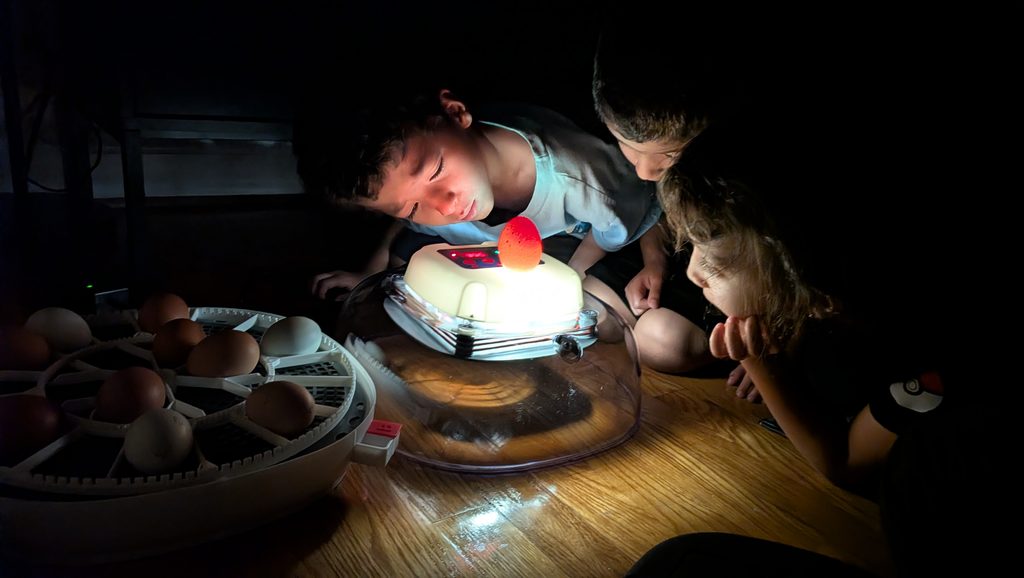
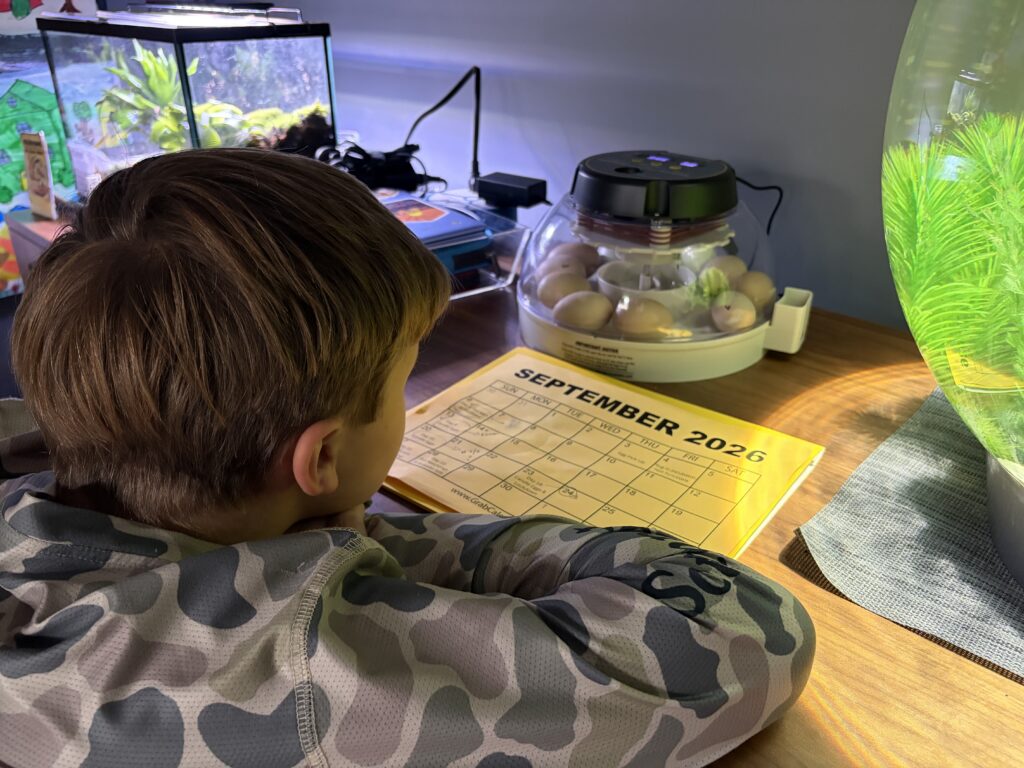
In the program, children are tasked with maintaining proper temperature and humidity in the incubator, as well as inspecting the eggs to determine if they contain a viable, still-developing chick. That process, known as “candling,” was Stevie’s favorite.
By shining a light through each egg and studying the silhouette of what’s inside, Stevie said she was able to determine whether it was a chicken embryo or just a yolk. She also learned to assess whether the unhatched chick was healthy and developing as expected.
“If it’s black all around with a little air pocket at the top, then it’s a good egg,” Stevie said. “But if you can only see the yolk in the egg, then it’s not a good egg, and it probably will not hatch. You have to take those out [of the incubator] because those will spread gasses that are really harmful for your chicks.”
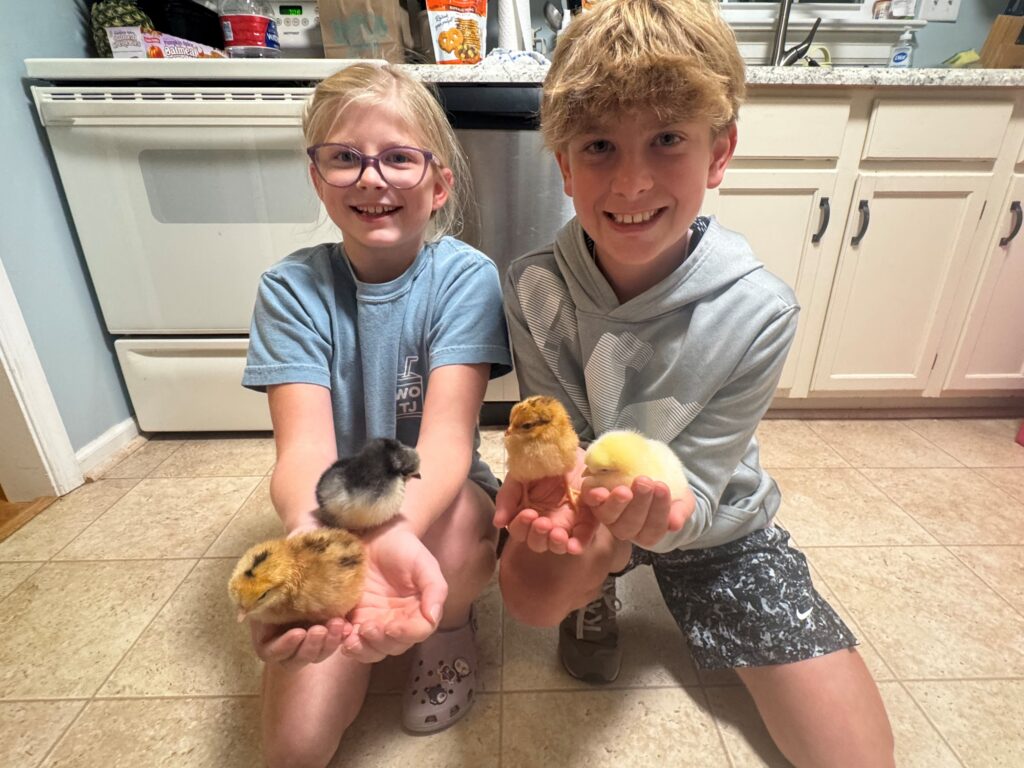
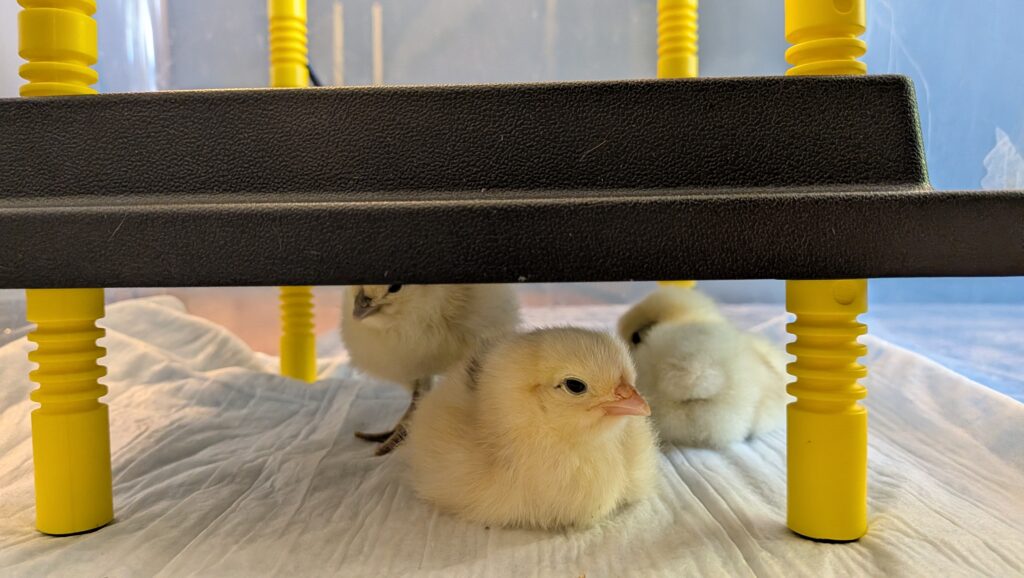
After Stevie meticulously rotated the eggs in the incubator for three weeks, five hatched, producing chicks in a variety of colors – pale yellow, dark gold, brown and black.
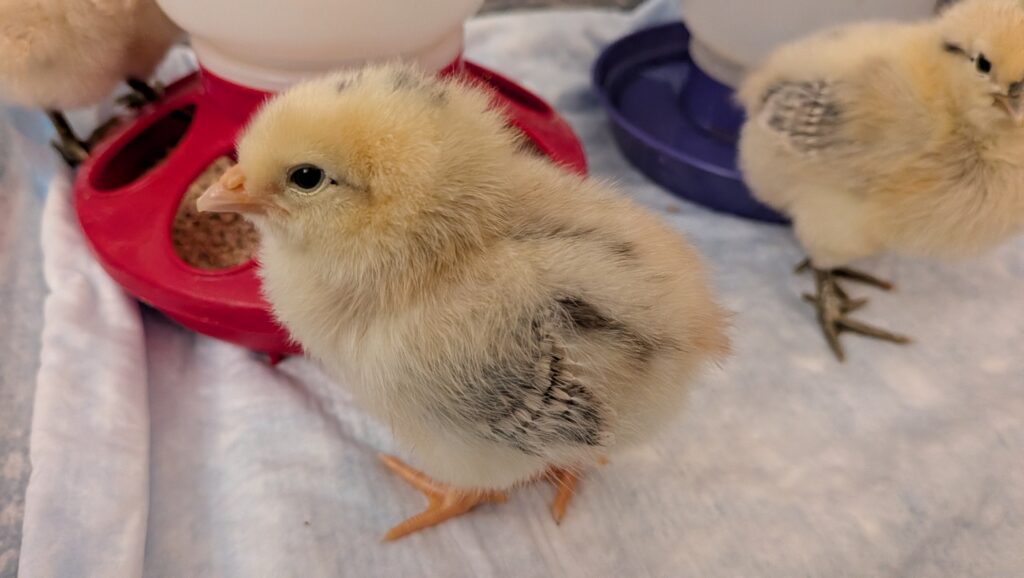
As much as she wanted to hold the hatchlings right away, Stevie said she kept them in the incubator for the recommended 24 hours so their feathers could dry. Then, she snuggled each chick as she transferred it to a brooder box with food, water and a heat plate.
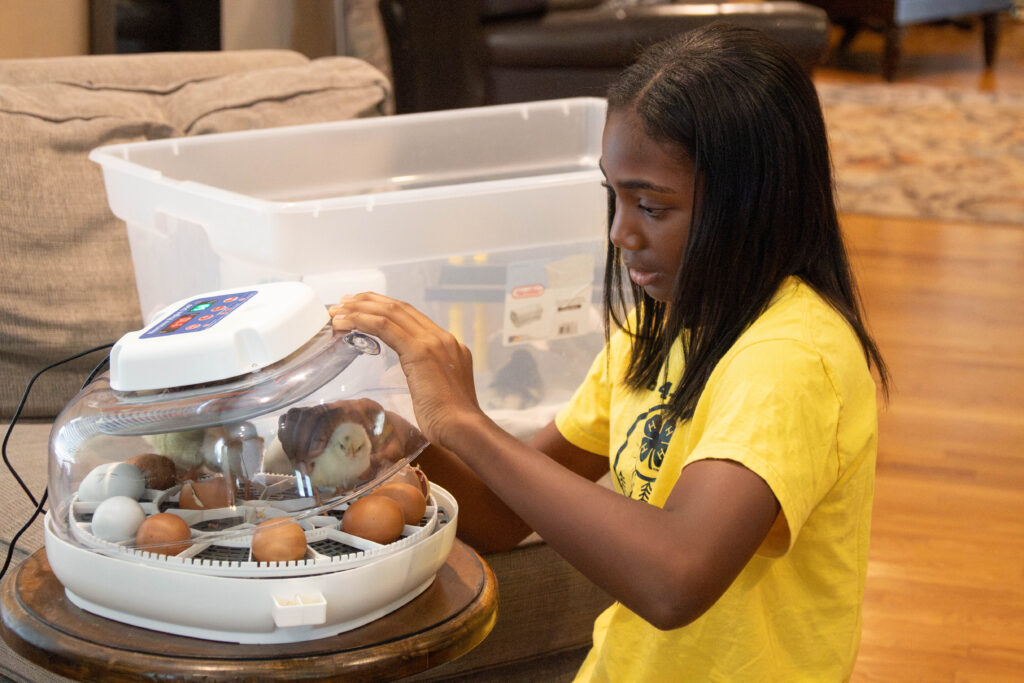
“They still need to stay warm after they’ve hatched, so I’ll lower the temperature of the heat plate by 5 degrees at regular intervals for the next couple of months,” she said.
For most families, Hatching at Home doesn’t come with such a commitment. After one month, participants have the option of keeping their chicks or returning them to Extension.
As families turned in their equipment and chicks in early October, Extension agents asked them about their experiences. Children are always eager to share about their favorite chick, and parents gush about the learning experience, Humphries said.
“One of the biggest comments that we get is that ‘it connected my kids to something that isn’t a screen,’ she said. “Or ‘it connected my kids to something that they’ve learned about scientifically but have finally been able to put into practice.’”
The chicks brought to Extension are ultimately delivered to local farms to be raised as free-range chickens. About 100 chicks in this year’s program were returned, and some may end up laying eggs that will be distributed next year as part of Hatching at Home.
As for Stevie’s chicks, they’re being prepared for life on the family’s farm in Montpelier. She will be responsible for managing the flock and is eager to participate in Hatching at Home again, though she now feels conflicted about one of her favorite foods.
“I cannot eat chicken in the house now!” she said.
Get Involved with Henrico 4-H
Hatching at Home kicks off 4-H’s annual youth programming, which begins Oct. 1. Henrico 4-H hosts clubs and events for children ages 5 to 18, with an emphasis on “learning by doing” that empowers youth to explore science, technology, agriculture, botany, biology, horticulture and more.
Families interested in participating in next fall’s Hatching at Home program will be able to register in late summer. No prior experience with poultry or birds is required. Extension provides the equipment, an hour-long training and curriculum.
Nearly 12,000 youth enrolled in 4-H programming through Henrico Extension in 2025. Information on 2026-27 learning and mentorship opportunities is available online through Virginia Tech’s Cooperative Extension Office for Henrico County.