

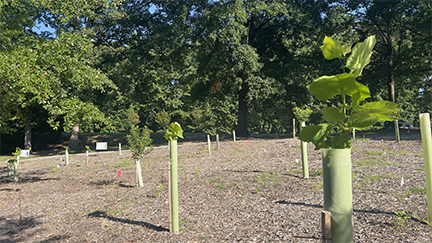
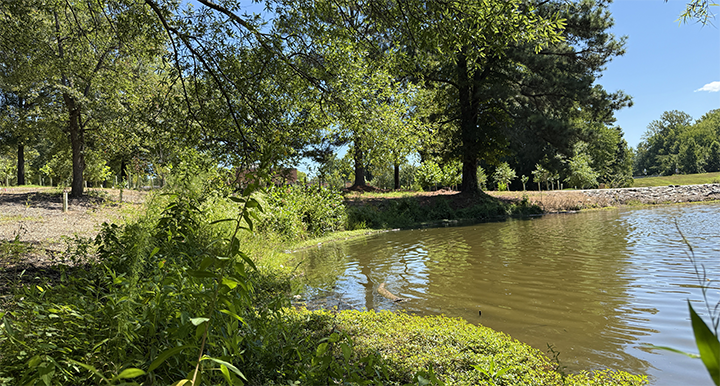
Henrico’s Environmental Action Resource Team began an ambitious project in fall 2022 with plans to improve the natural ecosystem at Lake Hening, located at the Henrico County Government Center campus. The goal was to restore the riparian buffer on the property.

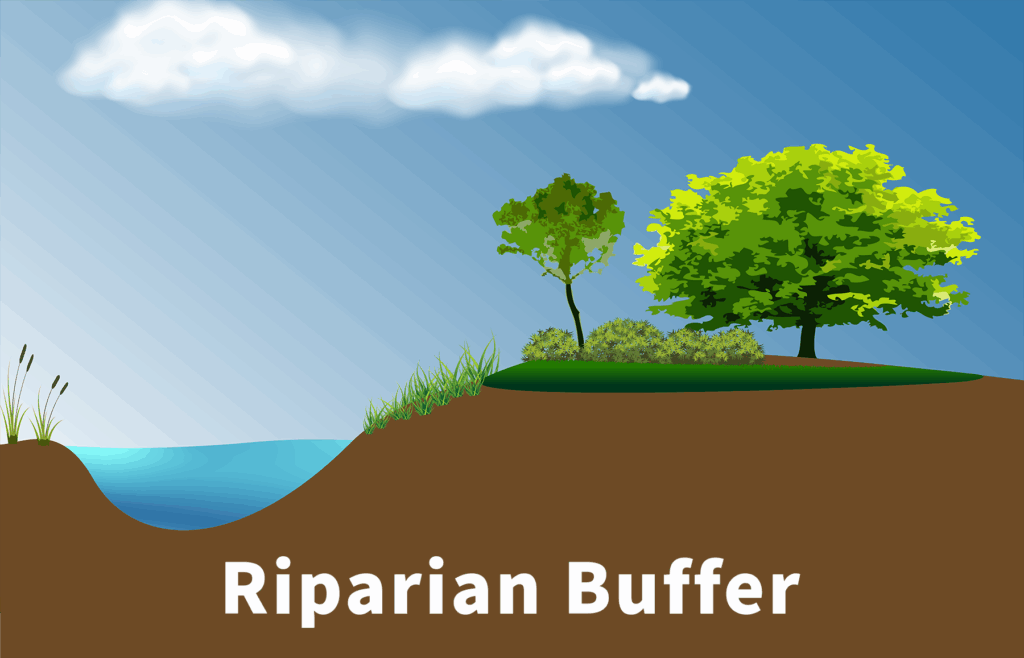
So, what is a riparian buffer?
A riparian buffer is an area adjacent to a stream, lake or wetland that contains a combination of trees, shrubs and perennial plants which provide conservation benefits to the watershed. Benefits can include positive impacts on water quality, air quality and soil erosion. In addition, riparian buffers provide habitat for wildlife. They add biodiversity and create a healthy environment for humans, plants, insects and animals.
Planting Day
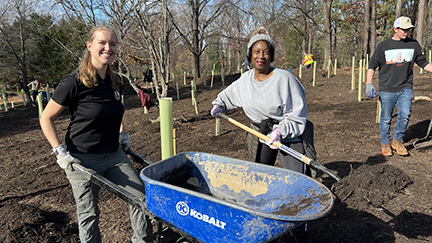
This was the first boots-on-the-ground project for the HEART. Restoration of the landscape began on Dec 12, 2023. Members of HEART along with community volunteers and the Virginia Department of Forestry planted over 180 trees and shrubs around the perimeter of the lake to enhance the health and overall quality of the habitat.

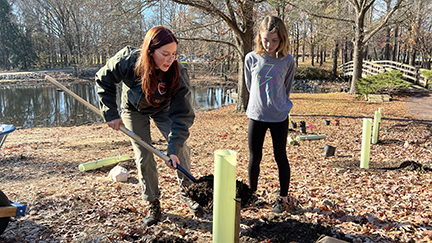
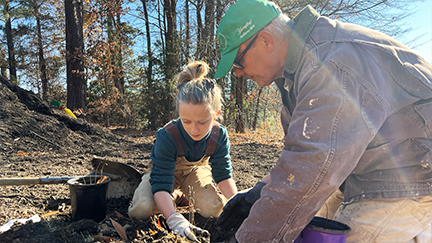
Before the planting began, the soil was amended with carbon-rich Biochar, a charcoal-like soil amendment made from heated organic matter which can improve the health of plants by enhancing soil structure, aeration, water retention and nutrient availability.
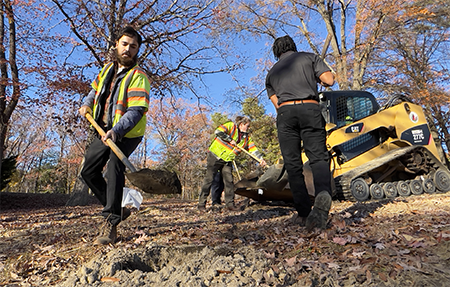
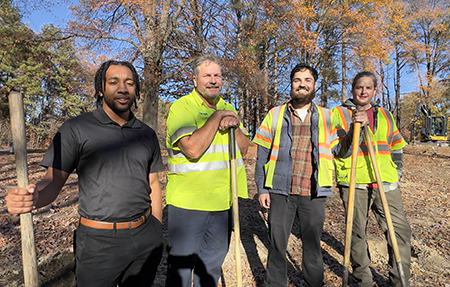
After the planting, tree tubes were installed around the young trees, creating mini greenhouses protecting them from the elements and wildlife damage and to encourage healthy growth.


Tree and shrub species
The trees and shrubs selected for this project were all native-Virginia species. Native plants are naturally adapted to tolerate local environmental conditions and can ward off disease and pest infestation better than non-natives, giving them a greater survival rate.
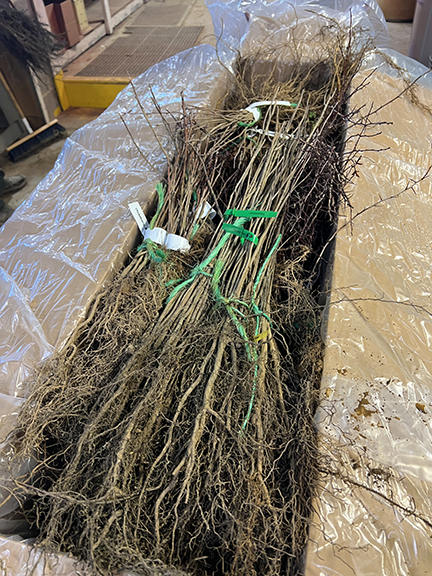
A variety of species were planted to avoid what is known as monoculture, which is the use of only one species of tree. By planting a variety of species, the health and survival rate of the reforested area can also increase. Tree species tolerate drought and extreme weather conditions differently. This is becoming more of a concern with increasing temperatures due to climate change. In addition, several species in Central Virginia have been wiped out due to disease or infestation, like the damage to ash trees caused by the emerald ash borer.

The trees planted in this project were American sycamore, river birch, red maple, tulip tree, paw paw, sweetgum, black gum, southern arrowood, eastern redbud, wax myrtle and sweetbay magnolia.
What will be the benefits of this project?
Water Quality
Trees can trap and filter man-made chemicals before they contaminate waterways. For example, turf grass fertilizers, which contain nitrogen-rich ingredients, can cause algae blooms in bodies of water that can rob essential oxygen needed to sustain aquatic life. In addition, these chemicals can have a negative impact on fisheries, wildlife habitats and drinking water resources found in the James River and beyond.

Air Quality
Trees in riparian buffers capture airborne pollutants including ozone, nitrogen oxides and particulate matter. They absorb carbon dioxide which helps offset greenhouse gas emissions. Through the process of photosynthesis, they produce oxygen which creates the air we breathe.


Soil Erosion
Reforested riparian buffer root structures stabilize soil and absorb rain water. This can help reduce erosion by slowing stormwater runoff coming from man-made impervious surfaces such as parking lots and roadways. They also reduce sediment that can find its way to streams and rivers, which again can have a negative impact on fish habitats.
Urban Heat Island Effect
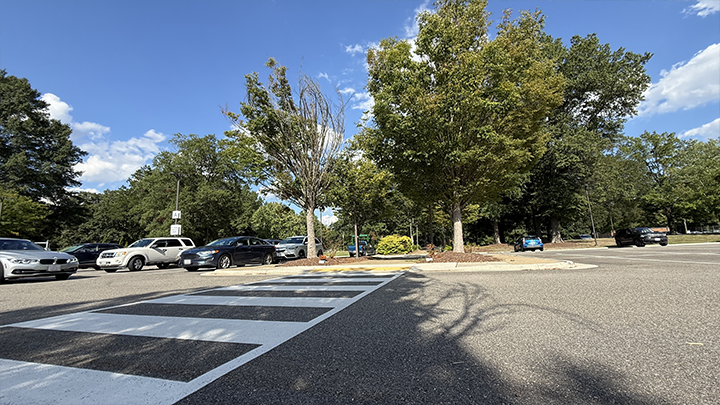
Paved surfaces in areas with a limited tree canopy absorb and radiate heat which can increase air temperature. These conditions can be unhealthy for people, pets and wildlife.
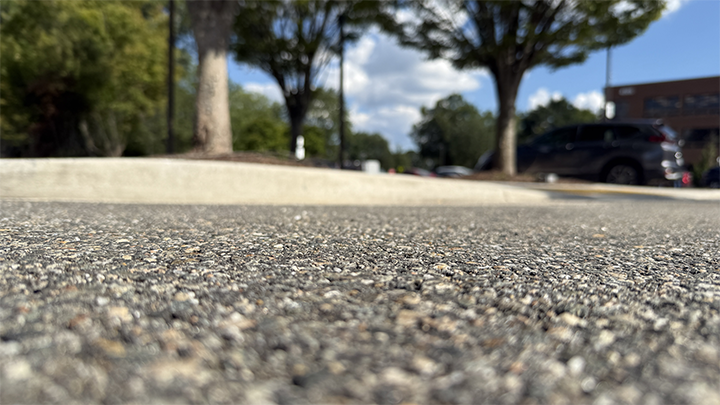
Trees in riparian buffers provide natural shade and cooling, lowering water temperature and surrounding air temperature. This cooling effect reduces stress, allows people to be more active in outdoor green spaces and generally improves the quality of life.
Increased Habitat and Green Space
Riparian buffers create habitats for wildlife. They provide food, shelter and breeding grounds for countless species, from pollinators and songbirds to amphibians, fish and mammals.
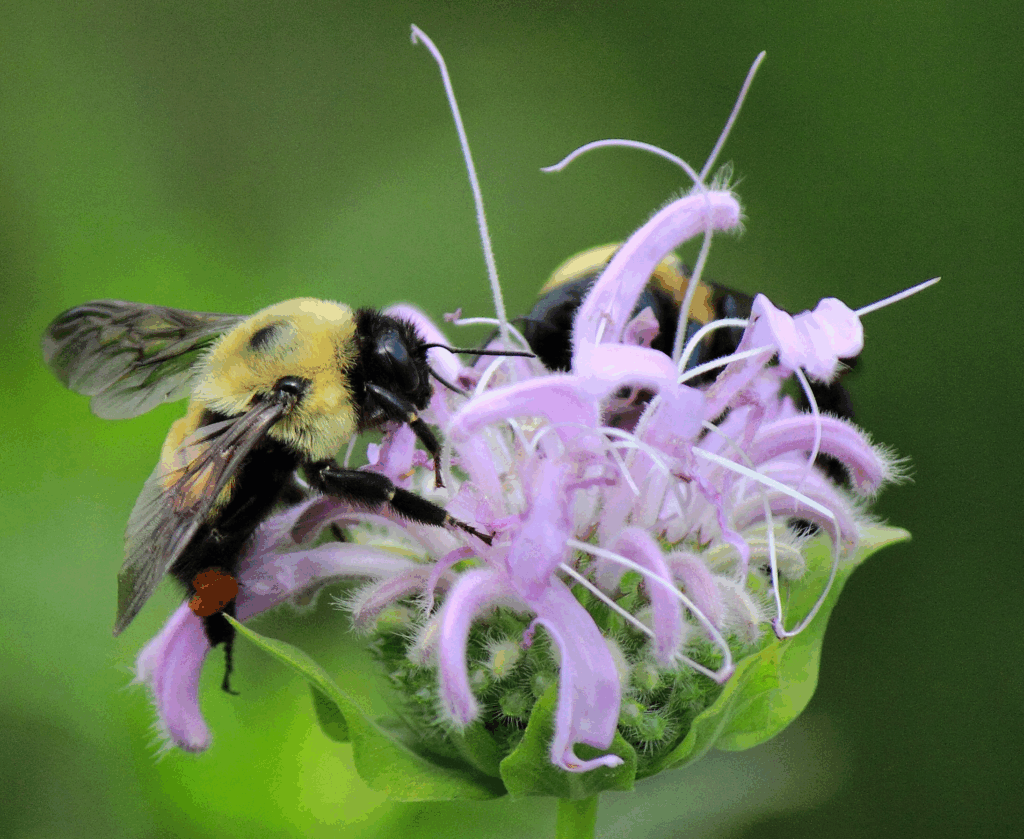

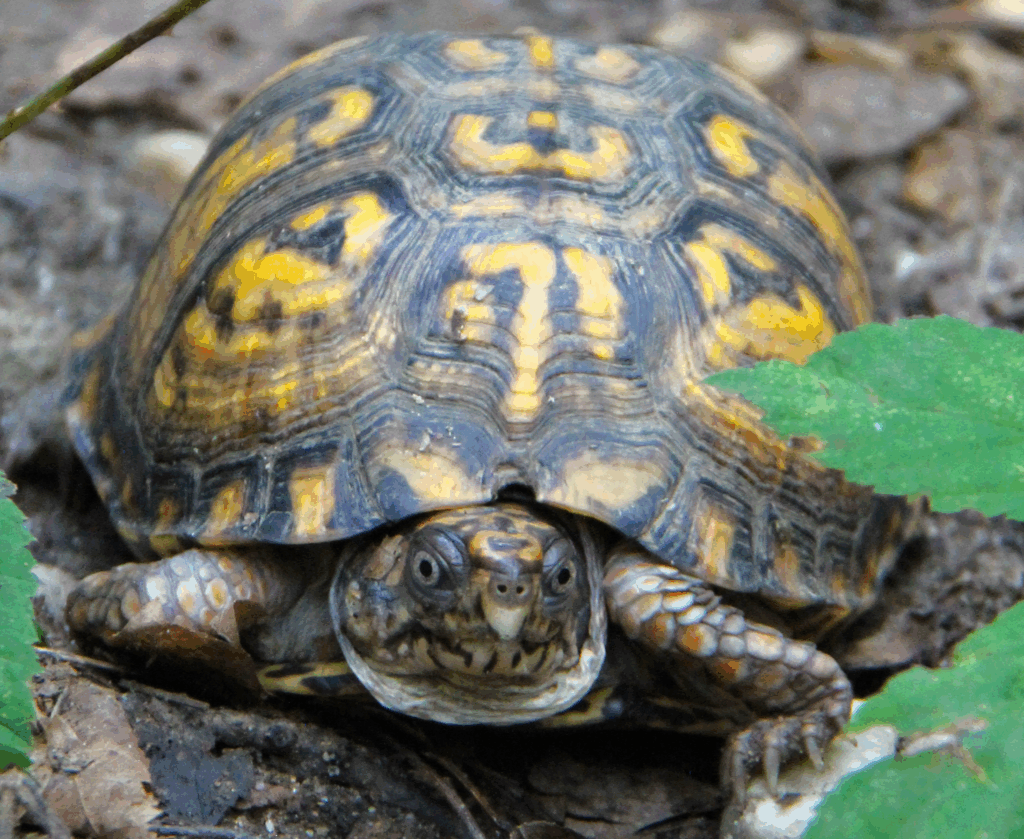

Forested areas, like riparian buffers, can provide an interconnected network of mini ecosystems that can allow wildlife to move safely through urban landscapes. In addition, these green spaces provide settings for humans to reconnect with the natural world which can improve the mental and physical health of communities.
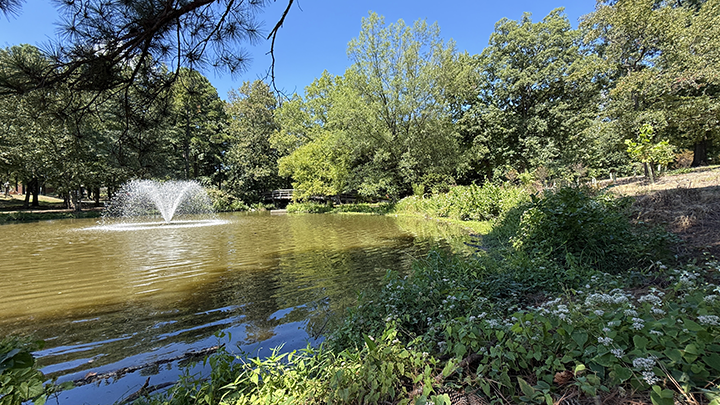
Overall, healthy waterways and water supplies are crucial elements of resilient communities. Forested riparian buffers safeguard water resources, strengthen ecosystems and improve quality of life for people and wildlife alike.
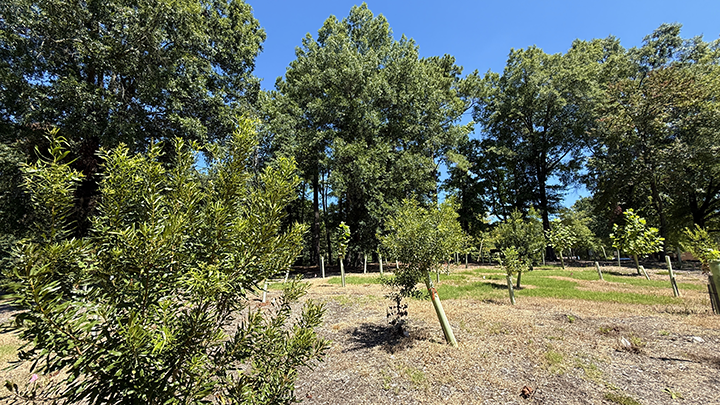
By planting trees along waterways and protecting the buffers that already exist, we can have a positive impact on water, air and temperature, which can help to improve the environment for future generations.
You can visit the Lake Hening riparian buffer at:
4301 East Parham Road
Henrico, VA 23228