



A tour of the region’s recycling facility reveals a success and a warning about batteries
When Henrico County residents put their bins to the curb, they may not think much about where those used bottles, cardboard boxes and cans end up. But through its partnership with the Central Virginia Waste Management Authority, Henrico is making sure as little as possible goes to waste.
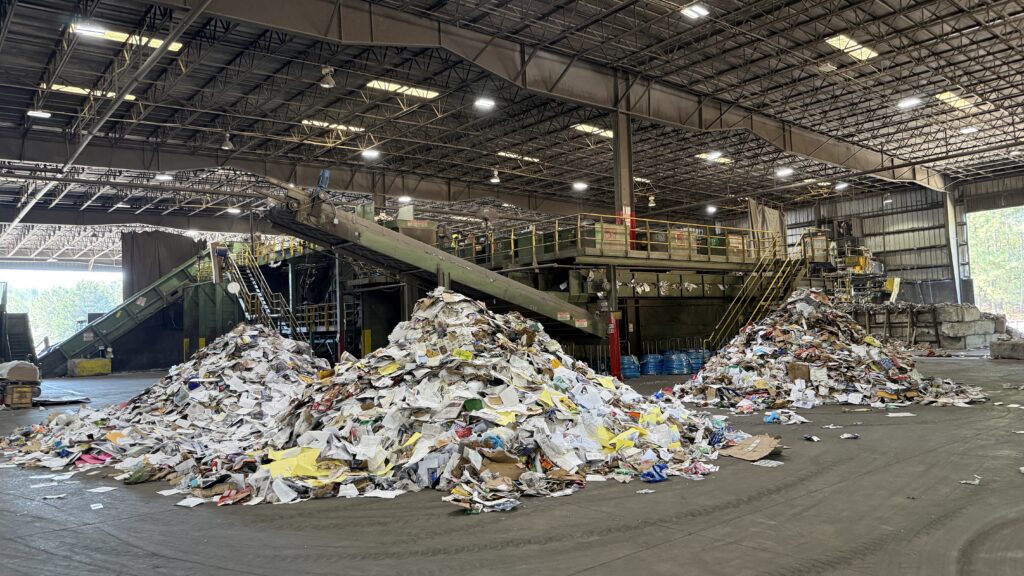
CVWMA, established in 1990, is a public-service authority serving 13 localities across 2,500 square miles. The area includes urban, suburban and rural communities with a combined population of 1.3 million people.
By combining their efforts, the localities are able to offer residents recycling services at lower costs than they otherwise would pay, CVWMA Executive Director Kim Hynes said.
“Working alongside our member localities, CVWMA strives to find circular solutions for the region’s waste,” she said. “Through volume-based contracting with the private sector, we are able to provide the same cost-effective recycling programs across jurisdictions.”
In Henrico, curbside recycling is available to more than 95,000 households, with recyclables collected every other week. Each single-family home receives a 95-gallon cart to make sorting and storage easier. Henrico also offers 12 drop-off locations throughout the county for residents who do not have curbside service or who have materials to be recycled between collections.
Each year, Henrico residents recycle nearly 15,000 tons at the curb and more than 2,700 tons through drop-off sites.
CVWMA is responsible for reporting the region’s recycling rate to the state each year. The rate takes into account CVWMA’s residential recycling programs and those of corporations and industries. By weight, recycled materials represent about 58% of all discarded materials in the region. That’s more than double the 25% rate required by the state.
Public-Private Partnership
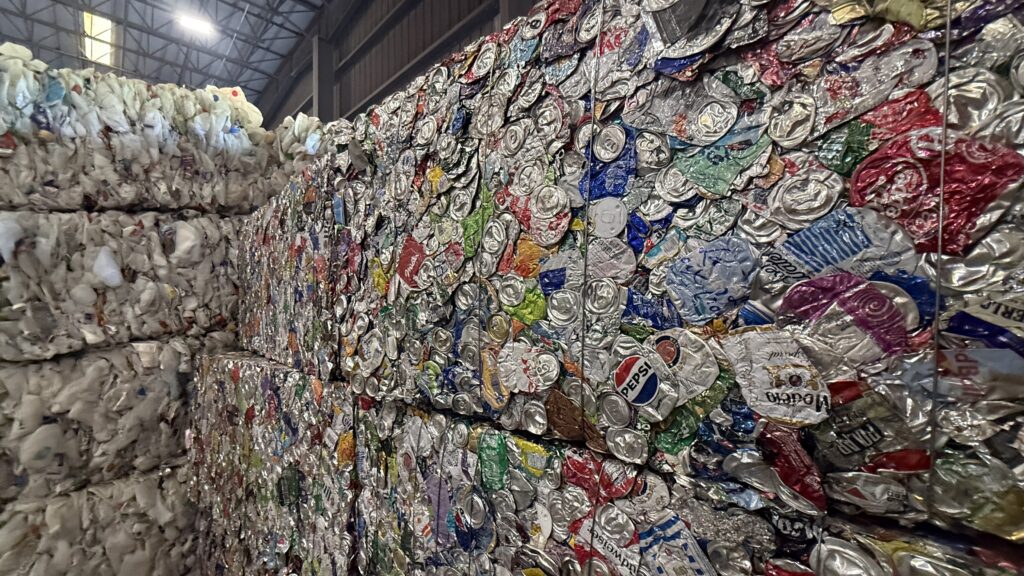
Since 1999, CVWMA has contracted with Virginia-based TFC Recycling to collect and process recyclables at TFC’s plant in Chesterfield County. The partnership recycles about 36,000 tons of paper, cans and bottles annually from 200,000 households and 35 drop-off sites.
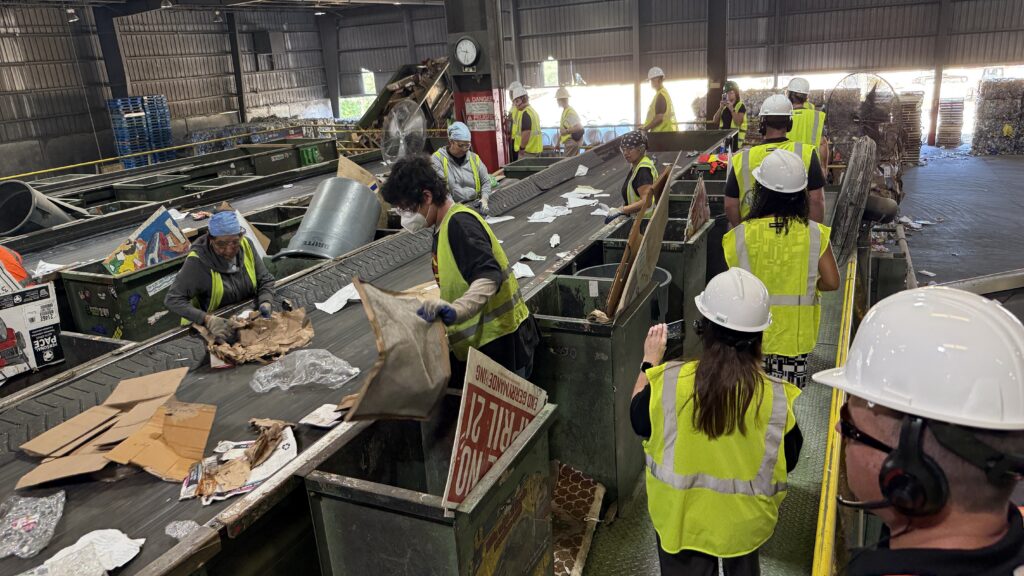
TFC pays close attention to non-accepted materials that arrive in the facility. Too many of the wrong materials can contaminate the recycling stream. The most common contaminants are food-soiled containers and plastic bags. Non-accepted items are redirected to a landfill.
CVWMA and TFC have used public education efforts to reduce the contamination rate to about 10%.
“When people understand what actually happens to their recycling, they sort better. When they sort better, less goes to waste,” TFC Division Manager Angel Martinez said.
Inside the TFC facility, every truck is weighed on entry, and everything processed is measured by the ton. A conveyor system, industrial magnets and human hands work together to identify and sort materials, separating aluminum from steel, cardboard from mixed paper and plastics by type.
A warning about lithium batteries
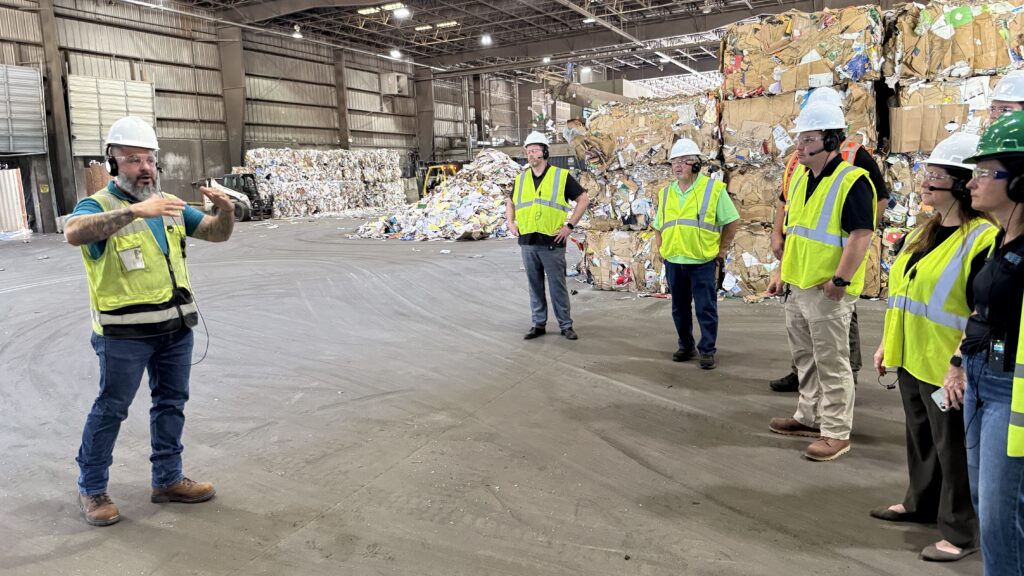
On a recent tour for members of Henrico’s Local Emergency Planning Committee, TFC staff highlighted a concern about fires caused by lithium batteries when they are discarded improperly. These rechargeable batteries are commonly used in phones, laptops, e-bikes and power tools.
Because of the fire risk, residents should never place lithium batteries in curbside recycling bins or drop-off sites. These batteries can be taken to stores, including Batteries Plus, Lowe’s, Home Depot and Staples, to be recycled safely.
CVWMA’s e-waste recycling vendor, Securis, hosts an electronics recycling event on the first Saturday of each month from 10 a.m. to 2 p.m. at 8419 Glazebrook Ave. A list of electronics accepted is available online.
Through regional contracts with CVWMA, Henrico’s two public use areas accept other items for recycling. Each year, Henrico residents recycle about 31,000 gallons of used oil, 2,500 gallons of antifreeze, 4,000 gallons of gasoline and oil-based paint, 1,300 tons of scrap metal, 750 lead-acid batteries, 150 tons of used tires, 8 tons of food waste and 4 tons of textiles.
A 20-year vision
In 2022, the CVWMA Board of Directors approved a 20-year strategic plan that includes an ambitious target: an 80% recycling rate by 2042. To get there, the plan calls for expanding recycling access to multifamily housing, all new developments, schools and public facilities, ensuring that recycling is available to all. The plan also includes expanding composting programs across all localities, exploring alternatives to landfilling non-recyclable waste and tying sustainable materials management to the region’s economic development strategy.
For Martinez, the mission is as much personal as it is professional.
“Proactively, we need to start thinking about where the next landfill is going to have to be in the next 10 to 20 years,” he said. “What are we going to do in the long haul so that there is less development for Virginia and for the world? We are actually doing something good with recycling. We are keeping things out of the landfill.”
For more information about recycling services or to ask questions, visit cvwma.com or call 804-340-0900.
What You Can Do
- Never place electronic devices or batteries in recycling containers. Used electronics may be dropped off at a Securis e-waste event, held from 10 a.m. to 2 p.m. the first Saturday of each month at 8419 Glazebrook Ave. Loose batteries are not accepted. Learn more about safe battery disposal on the Henrico Public Utilities website.
- Take recyclables to one of 12 drop-off locations in Henrico. Exclude nonrecyclable materials, such as plastic bags and food-soiled containers.
- Bring used oil, paints, solvents, antifreeze and other hazardous materials to Henrico’s public use areas for safe disposal.
