
Food waste prevention is a great way to save resources while helping achieve sustainability goals. In 2019, the U.S. Environmental Protection Agency estimated that the U.S. produced 66 million tons of food waste from residential, food retail, and food service sectors, and 60% of this waste was sent to landfills. By working to address food waste, we can help conserve resources in the food production process, lower methane emissions from landfills, and reduce our environmental footprint. Use the links below to learn more about the benefits of preventing food waste and how this can help your home and the planet.
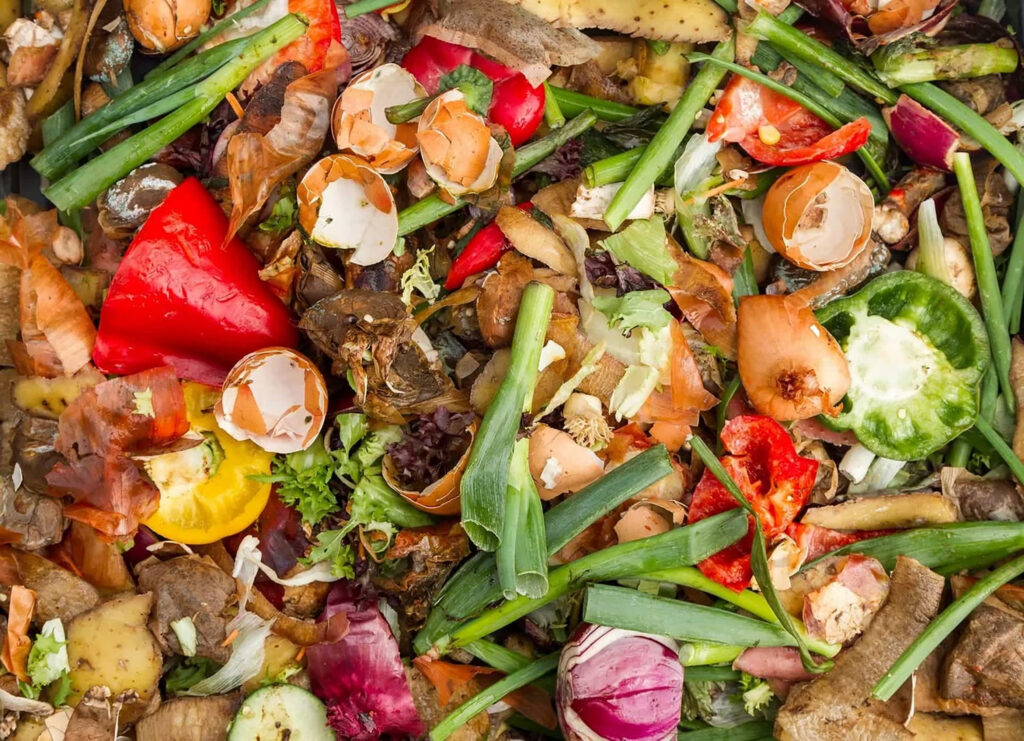
How to Prevent Food Waste
Preventing food waste doesn’t have to be difficult. It involves shopping intentionally, storing food in the proper conditions, participating in food rescue/food donation efforts, and composting food scraps instead of sending them to the landfill. The links below provide additional information on how you can prevent food waste at home.
- Virginia DEQ’s Excess Food Opportunities Map – This map provides resources about composting facilities, food donation organizations, and other community partners across Virginia for residents who want to learn more about what is available in their area.
- Natural Resources Defense Council’s Save The Food Campaign – NRDC’s public education initiative aims to combat food waste by providing resources on how consumers can combat food waste in their homes. It provides resources on how to plan out meals, store produce and other foods, and create new recipes to use up leftovers before they go bad.
- Virginia Cooperative Extension’s Eat Smart Recipes – Virginia Cooperative Extension has compiled a list of recipes that use Virginia produce. They also provide information on how to properly store produce.
Composting
Composting is another way to prevent food waste by diverting food scraps before they reach a landfill. This webpage has more information and resources about composting.