
If you have been scammed or have fallen victim to fraud, call police!
Scammers are using increasingly aggressive and fear inducing tactics to get your money and information. If you believe you’ve been scammed, call police at 804-501-5000 and report the incident to your bank.
Henrico Police and Henrico Sheriff Deputies will never call demanding money over the phone.
How to report fraud in Henrico and resources for victims.
If you believe you or a loved one has fallen victim to a scam, report the incident to your bank immediately to ensure your accounts are safe as recovering stolen money can be a difficult and oftentimes unsuccessful task. The earlier you notify your bank the better your chances are of recovering stolen funds.
Report the incident to police. For Henrico residents, you can file a report over the phone or online. Federal and National agencies offer ways to file formal complaints and provide several resources for victims.
Reporting and resources.
- Henrico Police Non-Emergency number: 804-501-5000 or online using the Henrico Duty Officer Reporting System (DORS)
- Federal Bureau of Investigations (FBI)
- Phone: (202) 324-300
- Internet Crime Complaint Center (IC3)
- Federal Trade Commission
- Phone: 1-877-382-4357
- Better Business Bureau
How do I know I’m being scammed?
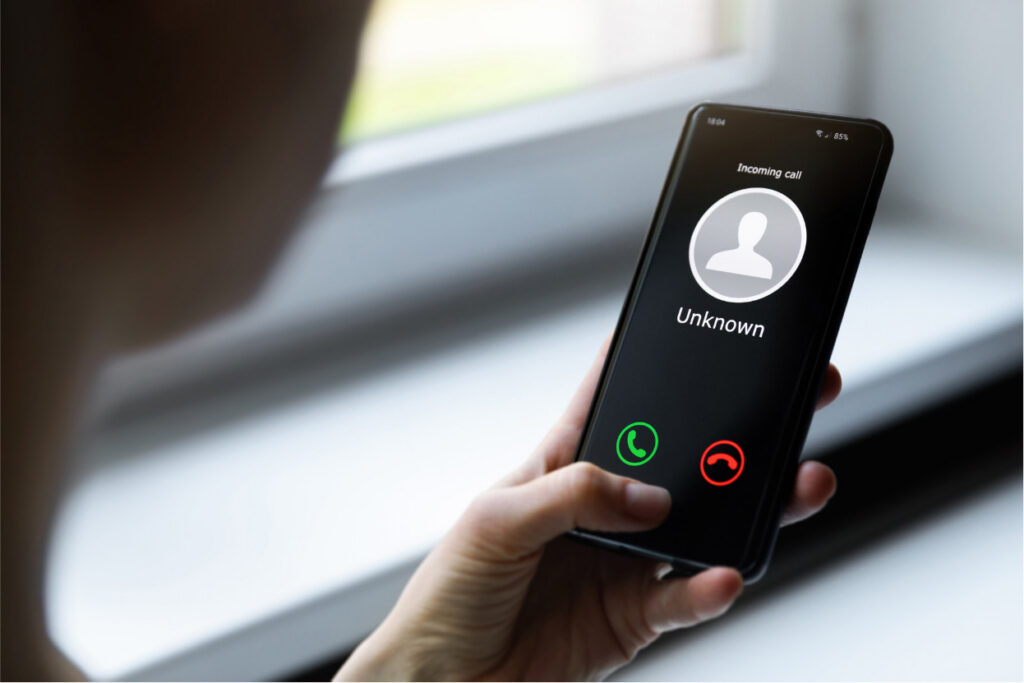
The most common method scammers reach you, is by phone; either using an unknown number or by impersonating a number you may recognize. While this is not the only way scammers may contact you, their tactics are usually the same. They may scare you into thinking you must pay money immediately.
Red flags
Below is a list of tactics and situations scammers use that should raise a red flag and help you determine if the situation you are in is a scam.
- You are feeling fearful
- You are being asked to pay in gift cards, cryptocurrency or wire transfer
- A “too good to be true” investment opportunity
- Lots of confusion and technical language
- A government official asking for money over the phone
- Unexpected legal threats
Type of scams and what to look out for.
While there are several different scams, these are some of the most common types that Henrico Police Detectives encounter.
Arrest Warrant Scam:
Scammers may call and claim to be a police officer or federal agents saying there’s a warrant for the victim’s arrest. The victim may also be told their identity has been stolen and is offered a way to verify their funds are safe. Victims may be lured to convert assets to Bitcoin, wire funds to another bank, or the suspects send couriers to collect cash/gold. Ultimately, the money is stolen.
Jury Duty Scam:
Scammers may call claiming to be with the Henrico County Sheriff’s Office or Henrico Police, stating the victim failed to report for jury duty and an arrest warrant has been issued. In fact, the phone number the victim may see may be the local area code followed by the county prefix and a random four-digit sequence (804-501-xxxx). This number is spoofed and is not real. Scammers direct the victim to purchase gift cards in an amount to pay the fine or instruct the victim to deposit money into a Bitcoin ATM in order to drop the warrant. The scammer will request the card numbers and “disappear.”
Injury/Distress Scam:
Scammers target a parent or grandparent saying a family member is in trouble, or was arrested and needs money for legal fees or bail. The victim is directed to purchase gift cards or wire transfer money to help the family member pay the fine. In some cases, the victims are told to pay in cash and to give the cash to a driver who will arrive at the address soon. The scammers will often ask the victim to not tell anyone else out of fear of embarrassment. The scammer will obtain the card numbers and “disappear.”
IRS Scam:
Someone claiming to be with the IRS calls and leaves a voicemail saying you owe back taxes. These calls are typically aggressive and threatening. You may be asked to purchase a money payment card such as a Green Dot Card, Vanilla Card, Rush Card, etc. from a grocery store to cover the amount and then provide the caller with the card numbers. Other scammers may say you have a tax refund waiting but they need to collect personal information before they can send you the refund.
Romance Scams:
Romance scams are among the costliest and vary in complexity and scope. Scammers prey through dating sites/apps or social media, trying to capitalize on their victims’ desire for companionship. Often, scammers first ask for small amounts of money, then larger amounts as time goes by. The money may be for loans, taxes or to be used for releasing more money from an estate with promises of marriage.
Lottery Scam:
Victims may receive a letter, which appears to be from any number of lottery games, saying that you have won a large amount of money, but need to pay taxes before the money can be released. The scammer requests a check be sent via the mail to cover the taxes. Oftentimes, the victim will receive a bouquet of flowers appearing to legitimize this scam.
*If you did not play the lottery, you cannot win the lottery.
Bank Account Takeover:
Victim receives a call from someone claiming to be from their bank and informs them that the bank is stealing money from their account. In order to stop this the victim is instructed to wire money to a bank account that the suspect provides or to cash out the account and put the money into a Bitcoin machine or another bank account. Once the victim has moved all of their money the suspects cease communication.
Hang up, slow down. Recognizing scams.
Watch Det. J. Wood with Henrico County Police’s Fraud and Economic Crimes Unit as he gives a presentation to the Henrico County Citizen’s Police Academy on March 11, 2026. He discusses the many scams, frauds and how to protect yourself and loved ones from becoming a victim.